


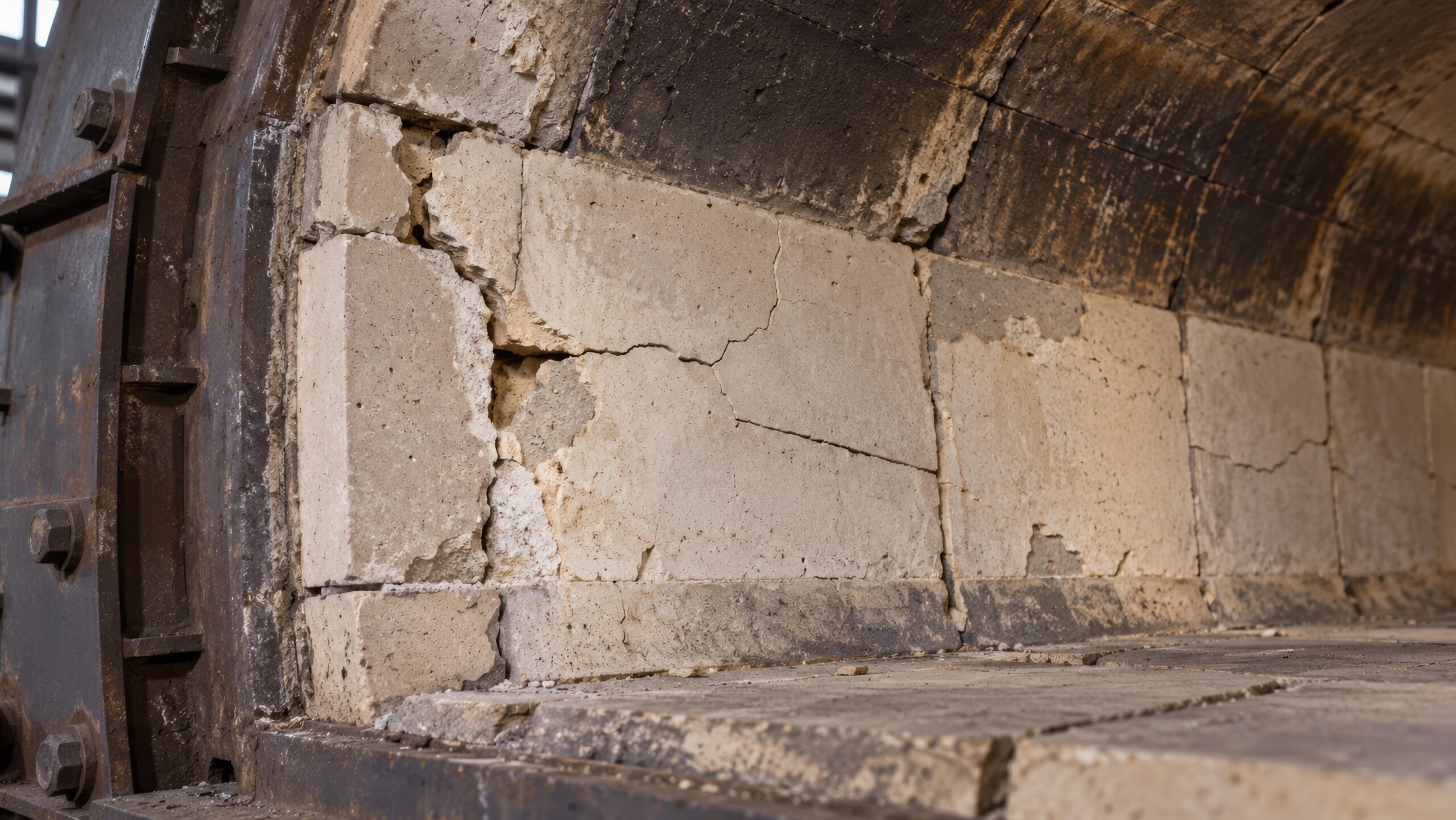
What Worn Refractory Components Can Tell You About Your Process
A useful refractory wear investigation starts with evidence: where the component operated, what changed during service and how the used part compares with its original condition. Photographs, labelled samples and operating records can help an engineering team ask better questions about the next replacement.
A worn component alone rarely provides a complete picture. Its position and service history give those observations meaning.
Why does the component’s location matter?
Two nominally identical components can experience different conditions in different positions within the same equipment.
Before removal, record the equipment reference and exact location. Where practical and permitted by site procedures, photograph the component in position and show its relationship to neighbouring parts.
Label the exposed face and orientation if these will no longer be obvious after removal. A photograph of an unidentified fragment offers far less information than a clearly located sample with a record of how it was used.
What should the photographs show?
Start with the overall arrangement, then capture closer views of the areas being reviewed. Include a scale where useful and retain the original image files.
Record observations in plain language: a missing corner, a crack beside a fixing point, an uneven surface or a deposit on one face. Keep these observations separate from proposed explanations.
For example, a crack beside a fixing point is an observation. A conclusion about why that crack formed needs more evidence. Making that distinction helps prevent an early assumption from directing the whole review.
Which operating records add useful context?
Record installation and removal dates, the available operating history and any relevant changes during that period.
Useful context may include changes in feed material, process settings, heating and cooling routines, maintenance activity or equipment configuration. Note unusual events and distinguish recorded measurements from estimates or recollections.
The objective is to create a timeline that can be compared with the component’s condition. A replacement decision becomes harder when important process changes are known only to one person or are omitted from the record.
Should you retain the used component?
Ask the people responsible for the technical review which samples would be useful before disposal, cleaning or destructive examination. Preserve identification and context for anything retained.
Follow site procedures for access, removal, contamination assessment, handling and packaging. Agree the requirements with the intended recipient before sending material off site.
A retained sample may support further examination, but appearance alone cannot establish every cause of damage. The appropriate assessment depends on the material, exposure and question being investigated.
How does this help the next replacement?
A good evidence pack gives the engineering team a clearer basis for deciding what needs further investigation. It may highlight a question about the component requirement, its installation or the conditions in which it operates.
It does not automatically mean a different material is required. Equally, ordering an identical replacement should not prevent a review when the available evidence suggests something has changed.
Keep the findings with the part reference and equipment history so the next maintenance team can use them. Over time, consistent records make comparisons between replacements more meaningful.
Start the discussion with a clear service history
When discussing replacement components with Vulcan Refractories, provide the approved component details alongside relevant photographs and operating information. Contact the team to discuss your refractory manufacturing requirements and what information would be useful for the enquiry.